
- HairForgeStart from one of thirty looks and sculpt real strand hair live, in the viewport.$199.99Coming soon
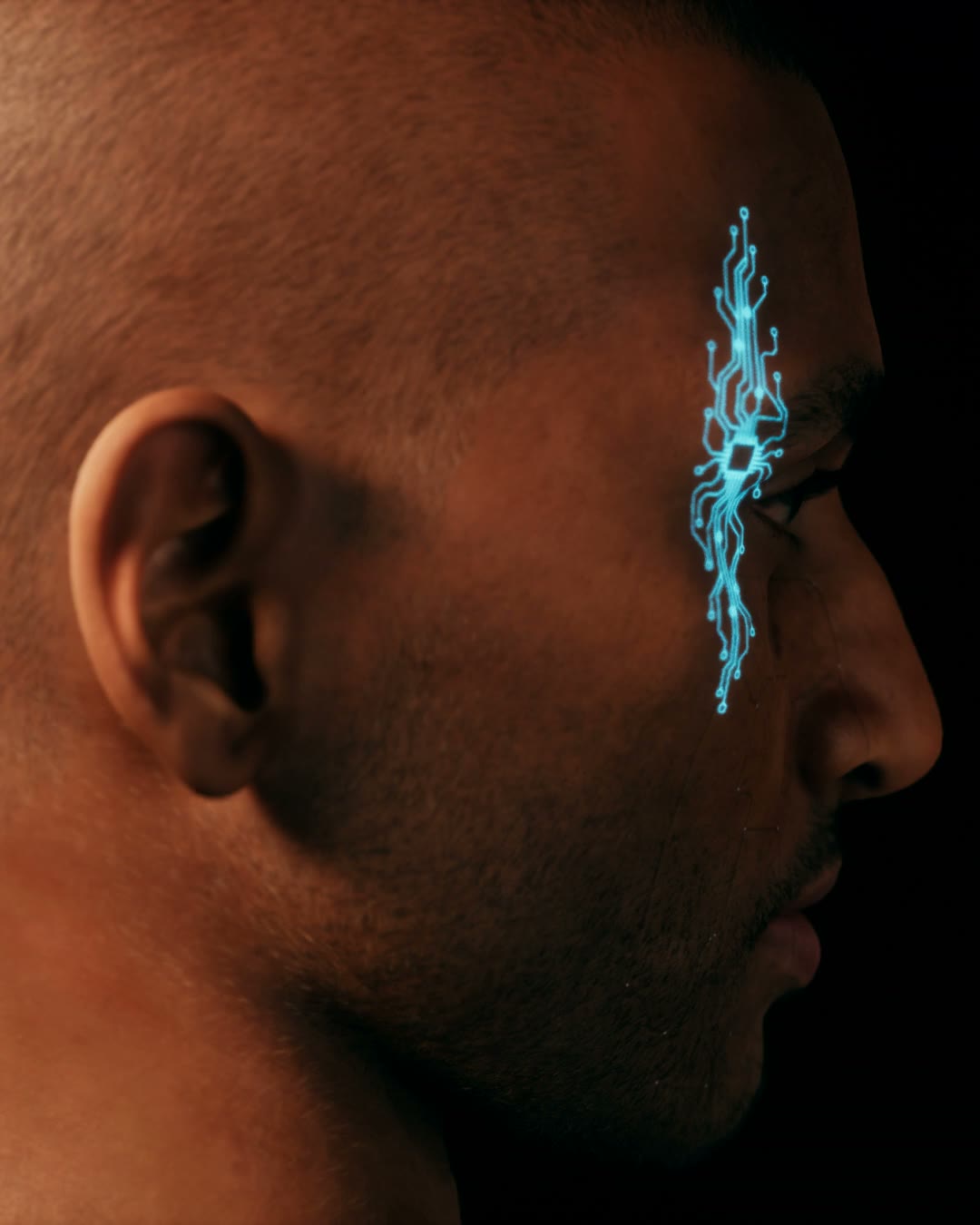
- SkinForgeStamp scars, tattoos and marks onto a character in 3D, then bake them, with every layer reversible.Free tier · Full $29.99Beta
- MeshForgeTurn a picture or a sentence into a prop, and review it before it reaches the level.FreeBeta
- MotionForgeDescribe a motion and watch it play on your own character, as an ordinary animation.FreeBeta
- PerformanceForgeRecord your face and voice with a webcam and put the performance on the character.$79.99Early access
- TerrainForgeBuild terrain from a real place or in a procedural node graph, inside the level you are making.Free tier · Full $99.99Beta
- SpeechForgeVoice every line in your game, with generated voices or your own recordings.FreeBeta
- FaceForgeLip sync and emotion for the face, solved from the voice line.FreeBeta
- AboutWho we are, and why we build this.
- Our visionThe manifesto: generation is not production.
- NewsReleases, devlogs and what is next.
- Work with usBring the person who built it into your studio.
- ContactWrite to us: a person reads every message.
- DocumentationHow every tool works, on docs.kovati.dev.
- Support KovatiLike the free tools? Buy us a coffee.
One account for every tool. Sign in once; the Hub installs what you own.
Sign inNews
Releases, devlogs and what is next.
What we shipped, what we filmed, and what each tool is waiting on. Release notes live on the docs site, one page per tool, written at every release.
Colony

Early alpha footage
Latest · Epic AI MegaJam 2026
We made a game with the tools. It is free to play.
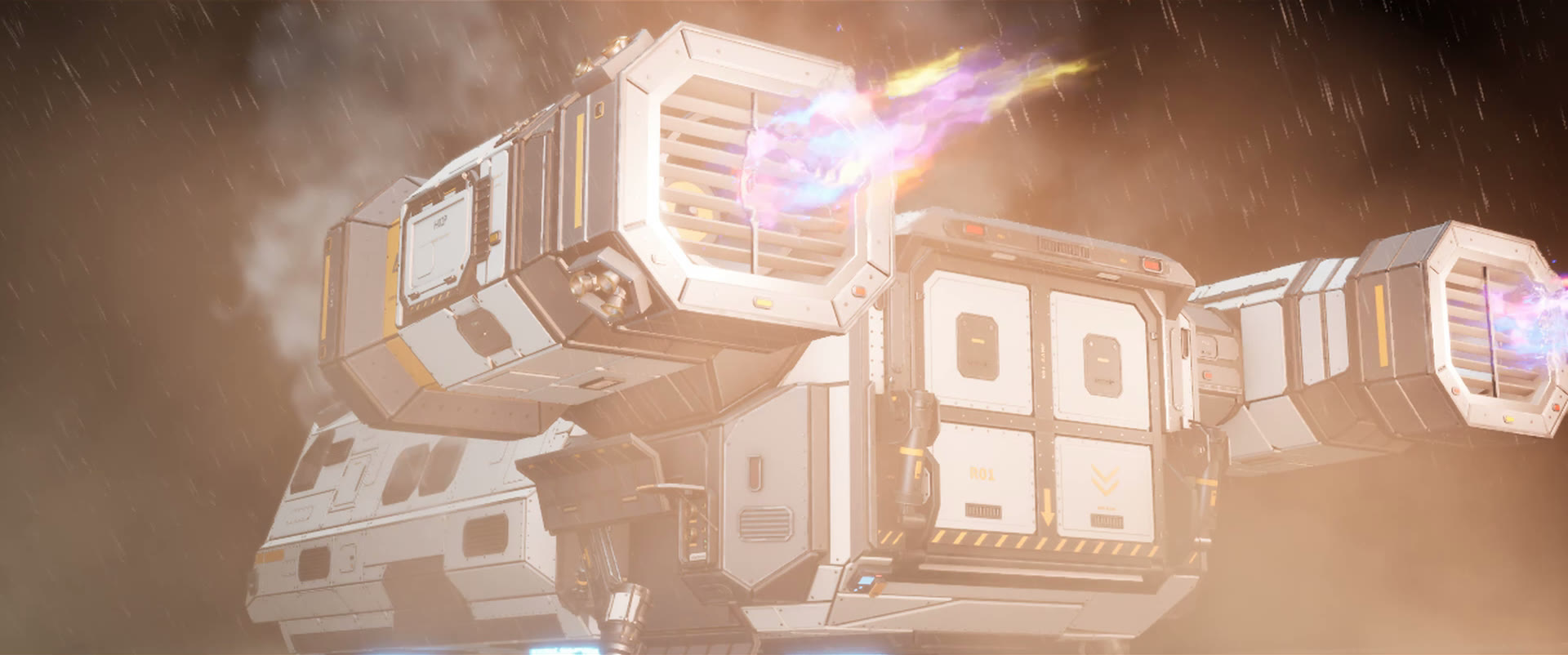
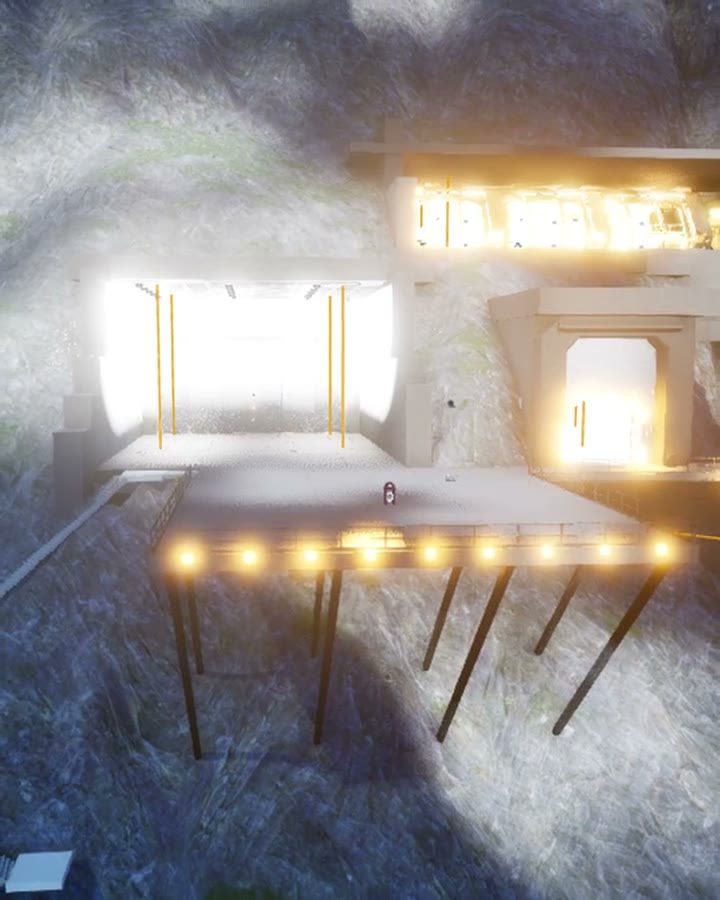
Colony: Filed at Dawn is our jam entry: a third-person sci-fi detective mystery with no combat. One night, one station cut into a mountain, about an hour of play. Made by one person with AI agents in 3.5 days.
The devlog shows what the agents built and where they fell apart. The trailer is one minute of the game.

Films
Watch the tools at work.
Each film shows one thing from start to finish, in the editor.
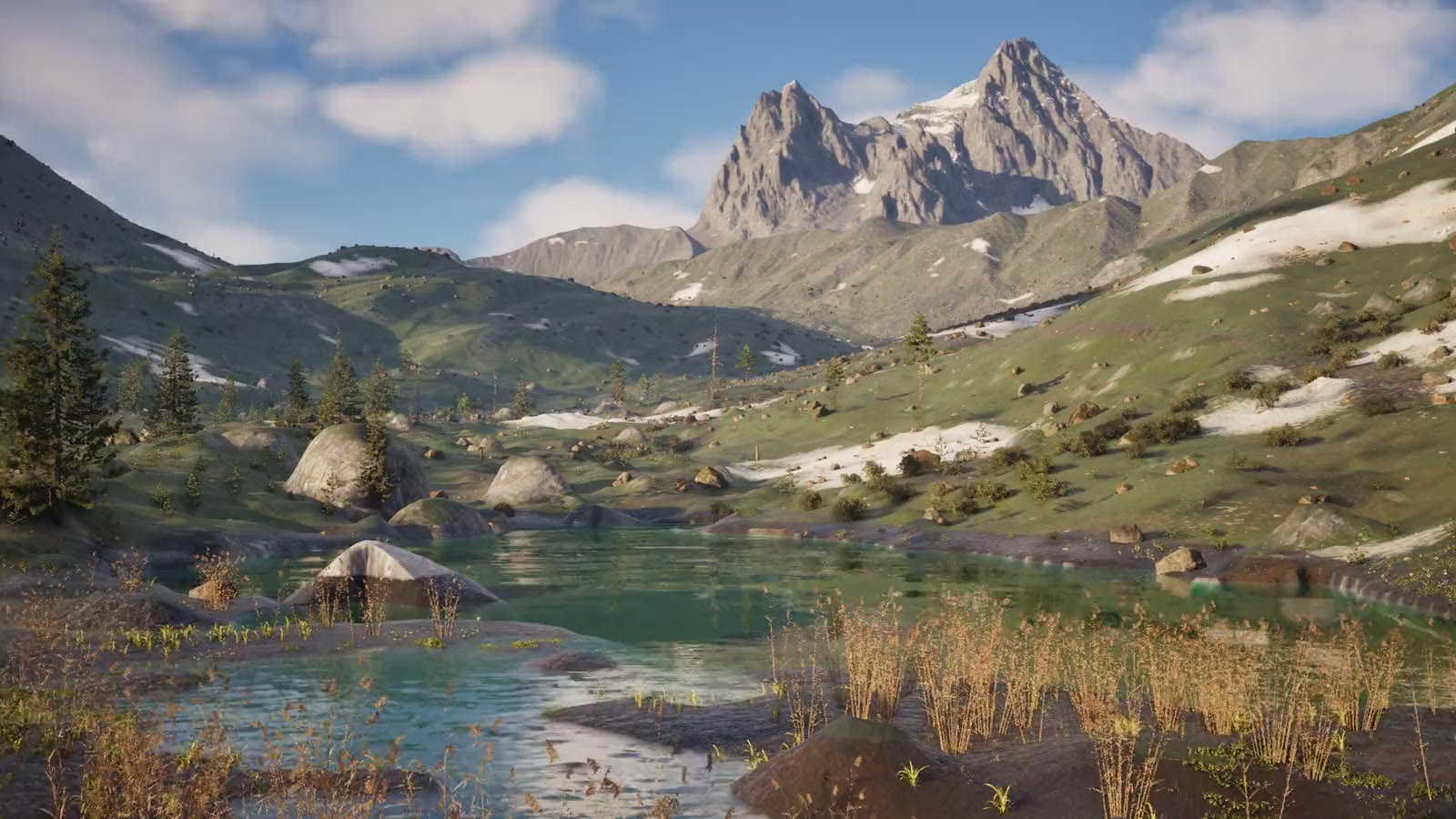 TerrainForgeYouTube ↗I Made Unreal Engine Generate Any Terrain, Real or Imaginary
A mountain range raised and worn down, a real place brought in, and the level built from it.
TerrainForge → StorytellingYouTube ↗From silent dialogue to a played scene in one sitting — Unreal Engine 5.8
One written dialogue becomes voices, faces, a recorded performance and a German version.
Storytelling → MeshForgeYouTube ↗From Images to Game Assets: The Complete MeshForge Workflow
From reference images to a prop placed in a level.
MeshForge → AgentsYouTube ↗Building a complete Unreal Engine quest with an AI agent, start to finish
A complete Unreal quest built with an AI agent, start to finish.
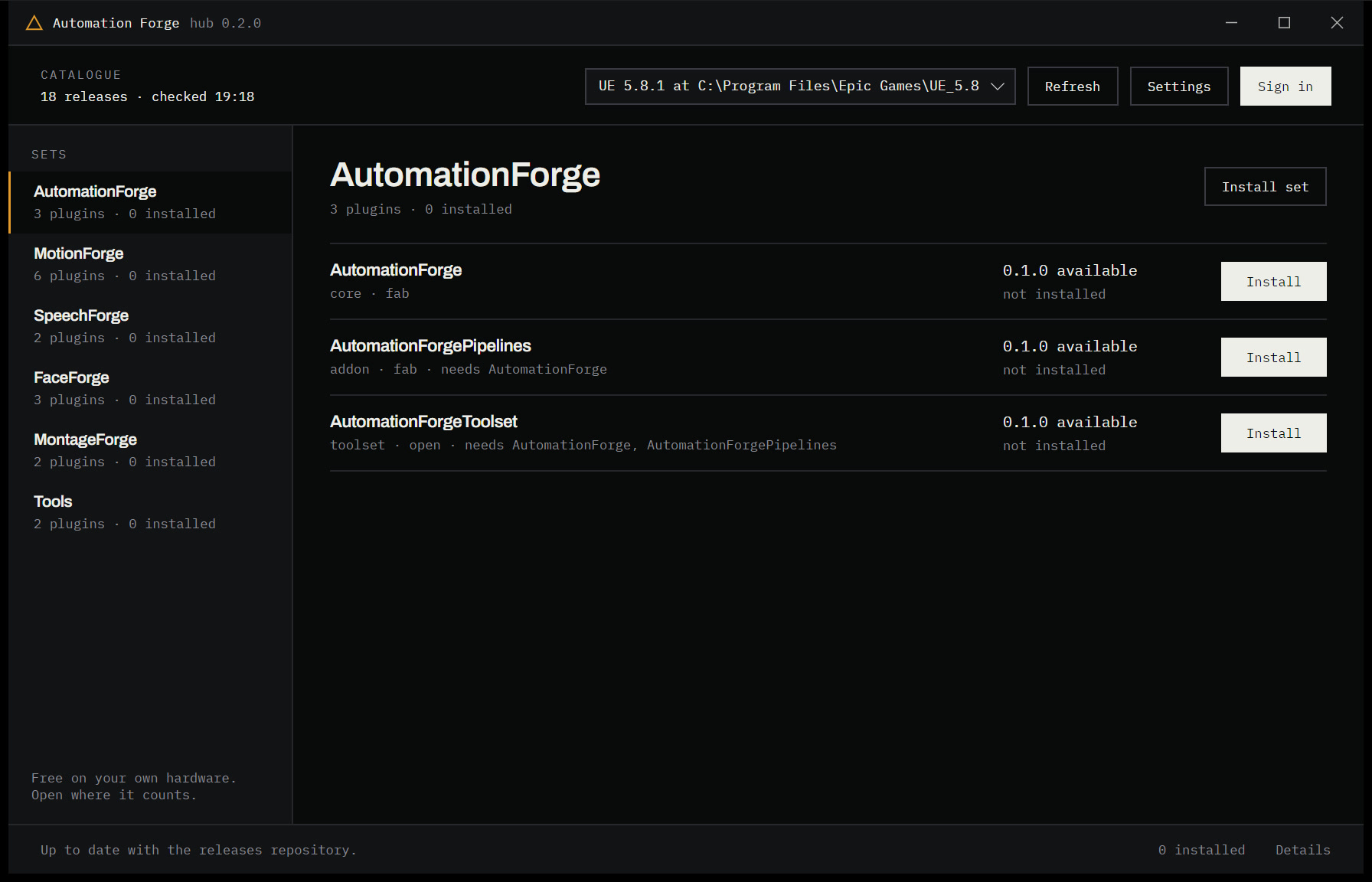 The HubYouTube ↗AutomationForge Hub: Install, Buy & Update Plugins in Unreal Engine 5.8
The Hub installed and signed in, tools installed and updated, and turned on in a fresh project.
Start free →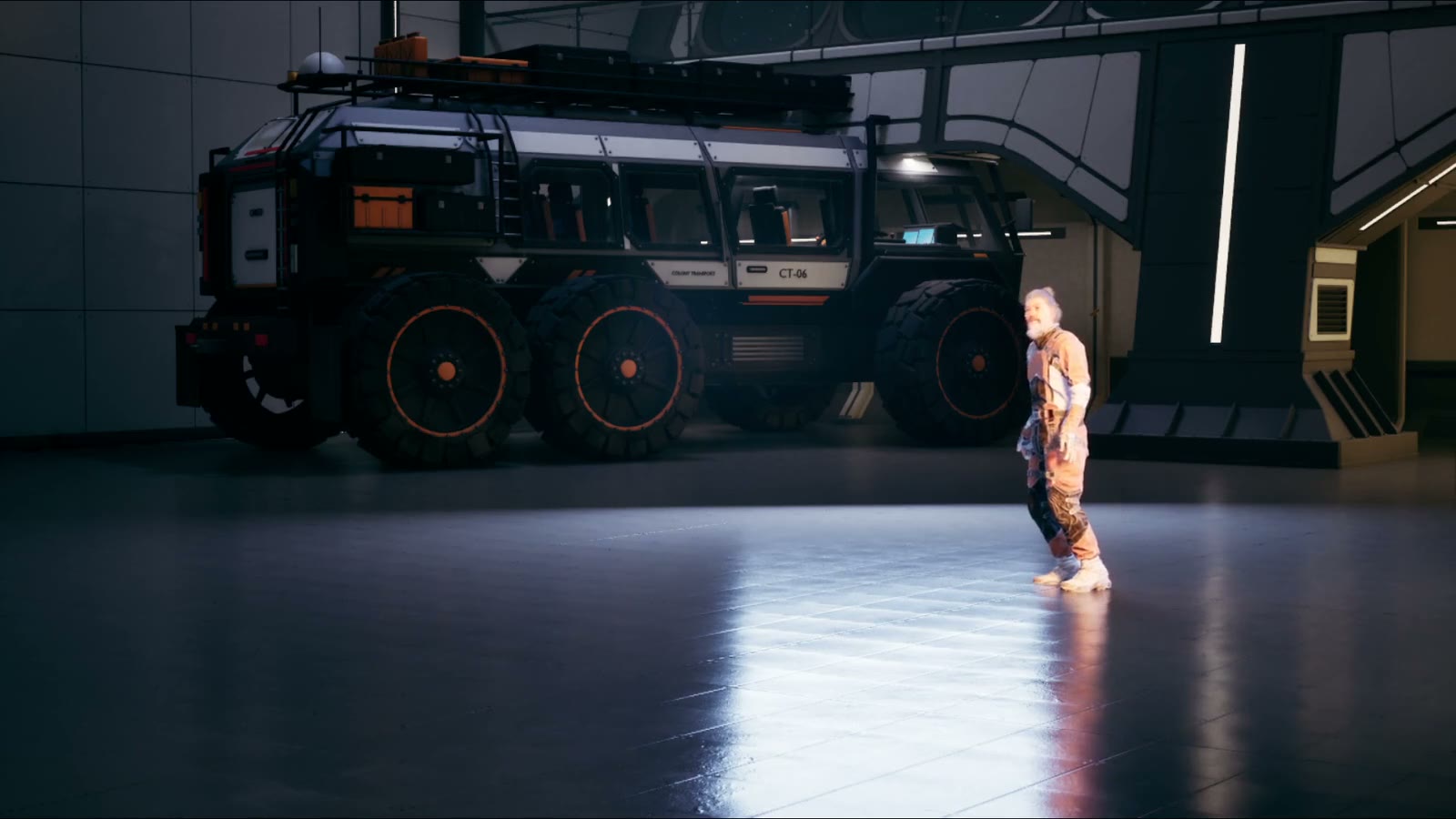 IntroductionYouTube ↗One Developer, a Team of AI Agents, and the Tools We Built. This Is Kovati
What Kovati is, in two minutes: the tools, the agents and the game they are tested on.
About Kovati →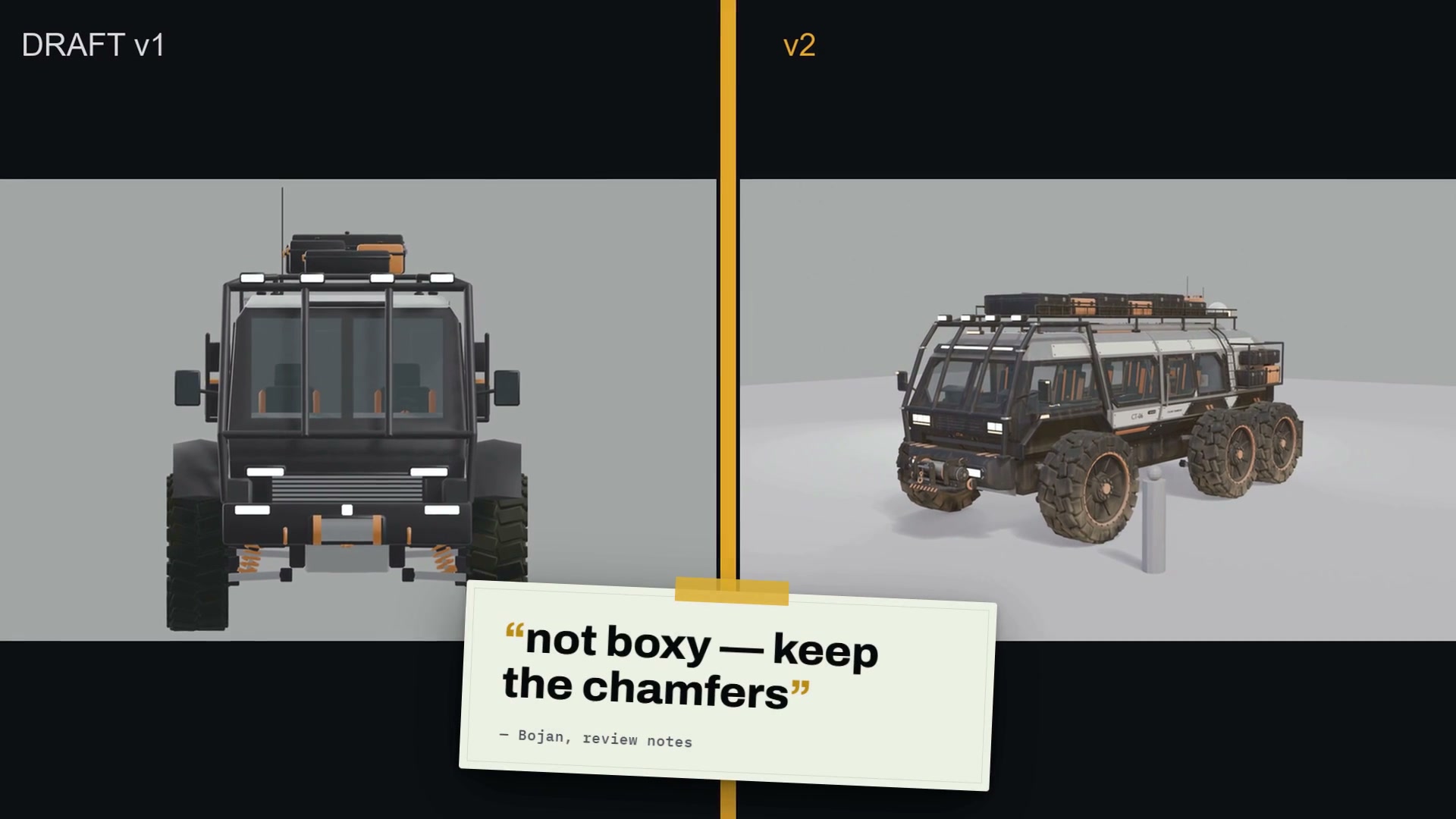 Our visionYouTube ↗PlayableOps: From AI Output to Playable Content in Unreal Engine 5.8
PlayableOps in ninety seconds: from AI output to content a game can use.
The manifesto → ColonyYouTube ↗COLONY: New Eden — game concept trailer
Colony: New Eden, the concept trailer the Colony universe started with. Made at the Unreal Fellowship.
The game →
- On the channel “Unreal Engine” ↗Digital Watchmaking: Advanced Real-time 3D Configurators for LuxuryBojan’s talk at Unreal Fest Stockholm 2025, on Epic’s own channel.
- On the channel “Bojan Andrejek” ↗Epic Games Spotlight: Bojan AndrejekAn Epic Games spotlight from the Storytelling Fellowship. In Serbian.
Releases
Every release has its notes.
The docs site writes a changelog for every tool from the same release list the Hub reads, so the notes and the installed version cannot disagree.
 BetaWhat changed ↗
SkinForge
v0.4.0 BetaWhat changed ↗
MeshForge
v0.3.2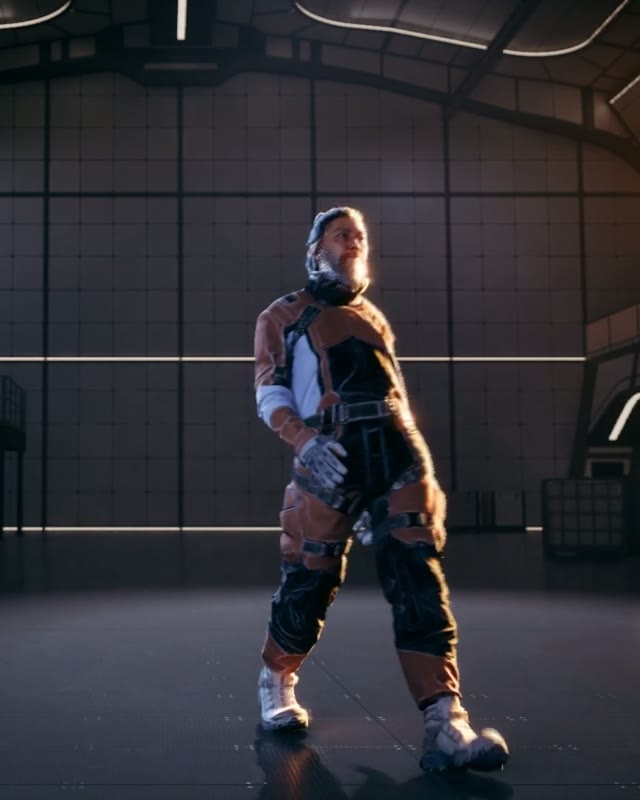 BetaWhat changed ↗
MotionForge
v0.4.1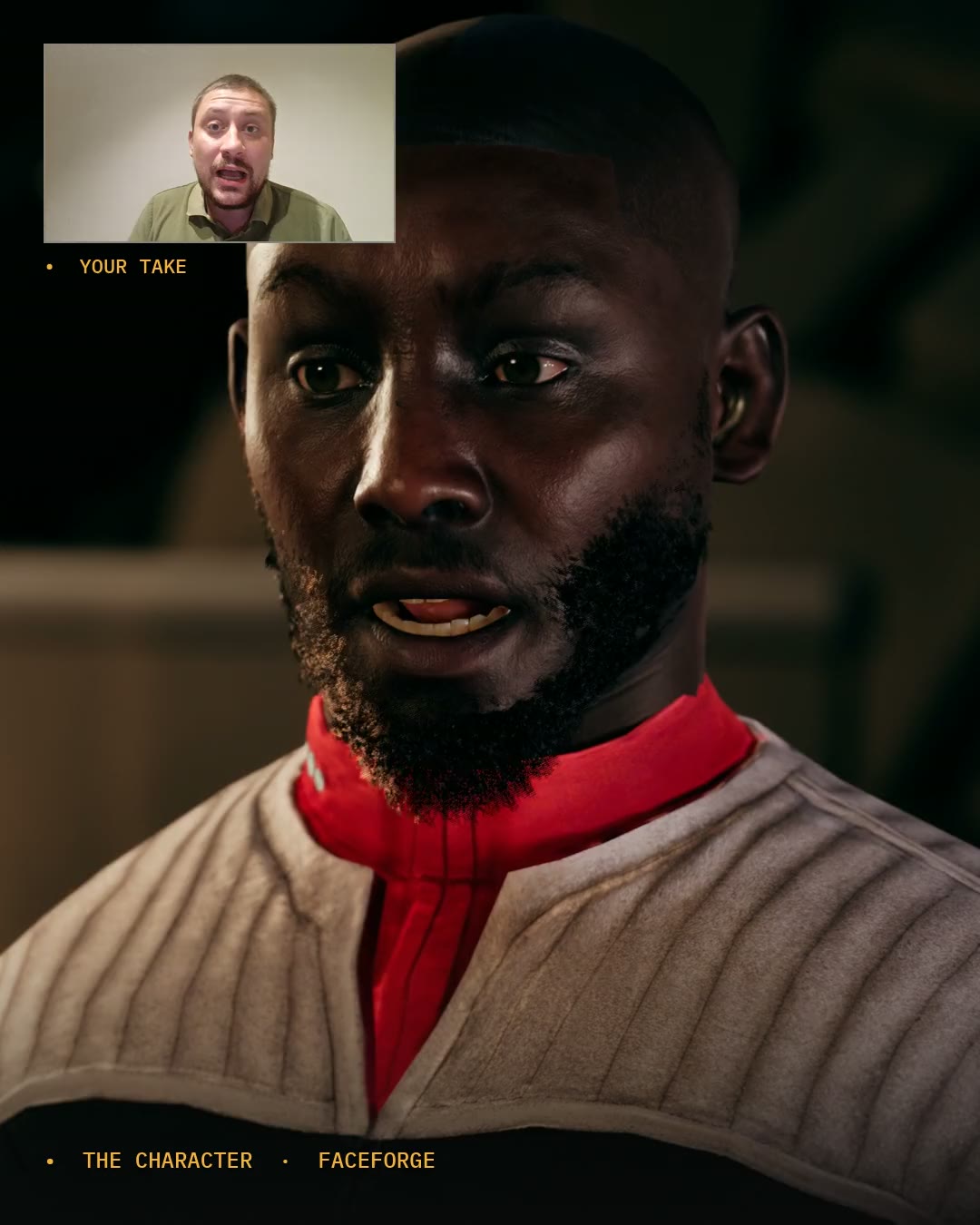 Early accessWhat changed ↗
PerformanceForge
v0.1.2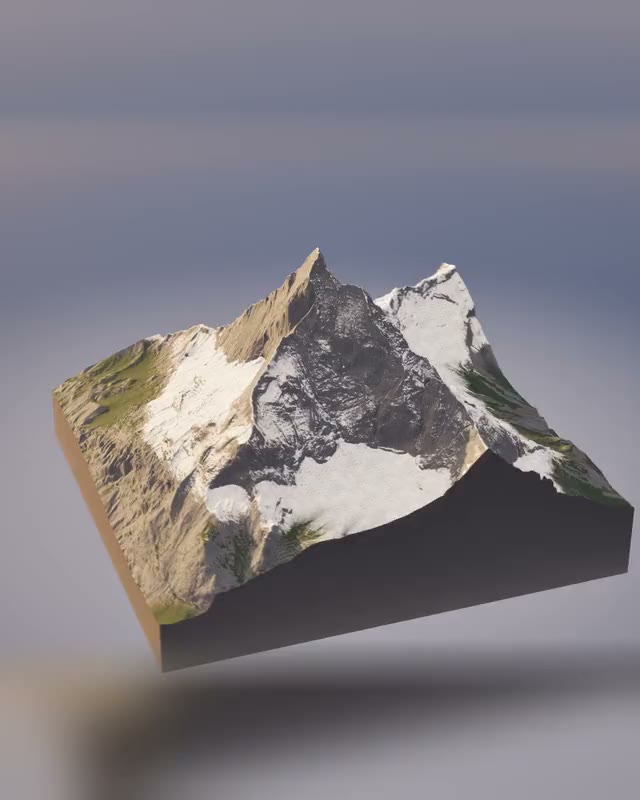 BetaWhat changed ↗
TerrainForge
v0.2.0 BetaWhat changed ↗
SpeechForge
v0.2.3 BetaWhat changed ↗
FaceForge
v0.2.3
What is next
Each tool says where it stands.
We do not keep a roadmap of dates. A tool’s page shows its stage, read from its latest release. These are announced and not out yet.
 Tool · Coming soonHairForgeStart from one of thirty looks and sculpt real strand hair live, in the viewport.Read more →
 Tool · Coming soonRoomForgeBuild ships, stations and bunkers from parts that snap to one grid.Read more →
 For teams · Coming soonStudio, for teamsReview, provenance and vendors for teams that ship together. Coming in 2027.Read more →
Also announced
- PlaybookMarvelous Designer playbookSew a garment in Marvelous Designer and bring it into your game, step by step.
- PlaybookGarment production playbookLayered outfits, simulated cloth and one fit for every body: the way we dress our own cast.
- KitRoads, rivers and trailsDraw roads, rivers and trails that cut into the terrain, with bridges where they cross.
- KitPCG kitForests, meadows and rocks that read the terrain and fill it the way nature would.
- PlaybookPlasticity playbookDesign your own parts in Plasticity and bring them into the level, ready to snap.
- PlaybookOpen-world production playbookAn open world from a real place: water, roads, forests and a horizon that holds, the way we built our own.
- PlaybookMotion production playbookGenerated motion that imports right, checks out and plays as gameplay: the way we animate our own cast.
- PlaybookDialogue production playbookCast, takes, faces and a second language that keeps the acting: the way we voice our own scenes.
Earlier
From the release log.
Three entries from before this site. Each says what was true on its day.
Two sets rebuilt, three films, and somewhere to follow them+
MeshForge and MotionForge were rebuilt and released with every plugin around them — twenty-one plugin releases since the last entry, and a new hub. The suite is thirty-seven plugins in nine sets.
MeshForge now starts from a workflow: a prompt, your own picture, or a mesh you already have. After generation every step is yours to steer — take the mesh to Blender and back, start any step from the exact take or run you liked, reorder the chain without losing a result. MeshForge Garment, the paid layer, adds sculpting inside Unreal and the Garment Studio, where the character is posed and the garment placed, sculpted and wrapped in one window. A new open toolset lets an agent that can see do that fitting by sight.
MotionForge opens on a guide from nothing to a first motion, provider by provider, with what each one costs. Where fetching a take is free, it plays on the character it is for before you choose it — beside another if you like, exactly as it will import. Generate says what it will cost and asks before spending, and Kimodo and Uthana each bring their own settings under their own names. Kimodo can run on another machine in the studio, and says plainly whether your access to the model it needs has been granted.
Localisation keeps the acting. A line that was performed is now dubbed rather than read out again, so the translation carries the performance, and its face follows the performance captured in the original language. One costed step generates what was synthesised and dubs what was performed.
The hub shows what is new before you update — the notes for every version since yours, skipped ones included, now that every release carries its own. Its menu inside Unreal is on in every project from the moment it is installed, and that is where a project turns on the plugins it uses. Paid plugins are delivered only to the accounts that own them. Payments are still simulated: nothing has been bought for money yet.
And there is somewhere to follow it. The Discord community is open at kovati.dev/discord, and new releases and new films are posted there as they happen. Three films went up — the end-to-end walkthrough, MeshForge from pictures to a placed prop, and installing the hub — each on the page it shows. Kovati is on X as @kovatidev.
Next: card payments, so the paid plugins can be bought for money, and the next hub film — service keys, and where each tool runs: on your machine, on a rented GPU, or through a provider’s API.
Thirty-six plugins, nine sets, and the first three that are sold+
The suite is thirty-six plugins in nine sets, and everything in it is released. Two sets are new since the last entry: MeshForge, which turns a prompt or a reference image into a game-ready static mesh and can fit a generated garment onto a character; and SurfaceForge, which does the same shape of work for materials. PerformanceForge — record a performance in the editor and bake it onto a playable character — landed with them.
Three plugins now carry a price, the first that do: PerformanceForge, the fitted-garment pipeline, and the DeepL translation provider. The rule behind that split has not moved. If it runs on your own machine and costs us nothing to operate, it stays free, and the agent surface stays open even where the implementation is sold — every one of those three is reachable through a toolset anyone can read.
The site moved to kovati.dev with an account beside it, and the hub learned to sign in, claim a free plugin and install a bought one. Payments are still simulated: nothing has been bought for money yet, and the account app says so where it matters.
Next: the documentation, and the first Fab listings.
19 plugins, in 5 sets, and where each one lives+
The generation family is public: five sets covering animation, voice, faces, montages, quality measurement and the pipeline layer that runs them — free on your own hardware, with the cores and every toolset open source and the rest packaged on Fab.
Roughly half of them are toolset plugins holding no logic at all: a separate adapter that exposes the capability beside it as Model Context Protocol tools. You can delete any of them and the capability behaves identically. That split is the whole architectural argument, and it is easier to see in a directory listing than in a paragraph.
Next: our own voice-over pipeline re-expressed as a user-editable definition with the hardcoded one deleted. That last clause is the milestone, because it is the only version of the claim that cannot be faked.