
Storytelling

Dialogue production playbookPlaybook$39.99Coming soon

Runs through ElevenLabs, DeepL

Voiced, acted and translated dialogue, without the mess.

How we run dialogue production for our own game: a cast before a script, every take kept, faces that say the words actually spoken, and a second language that keeps the acting. With every trap that made a character stand silent.

Made with SpeechForge and FaceForge

A scene, voiced and acted.

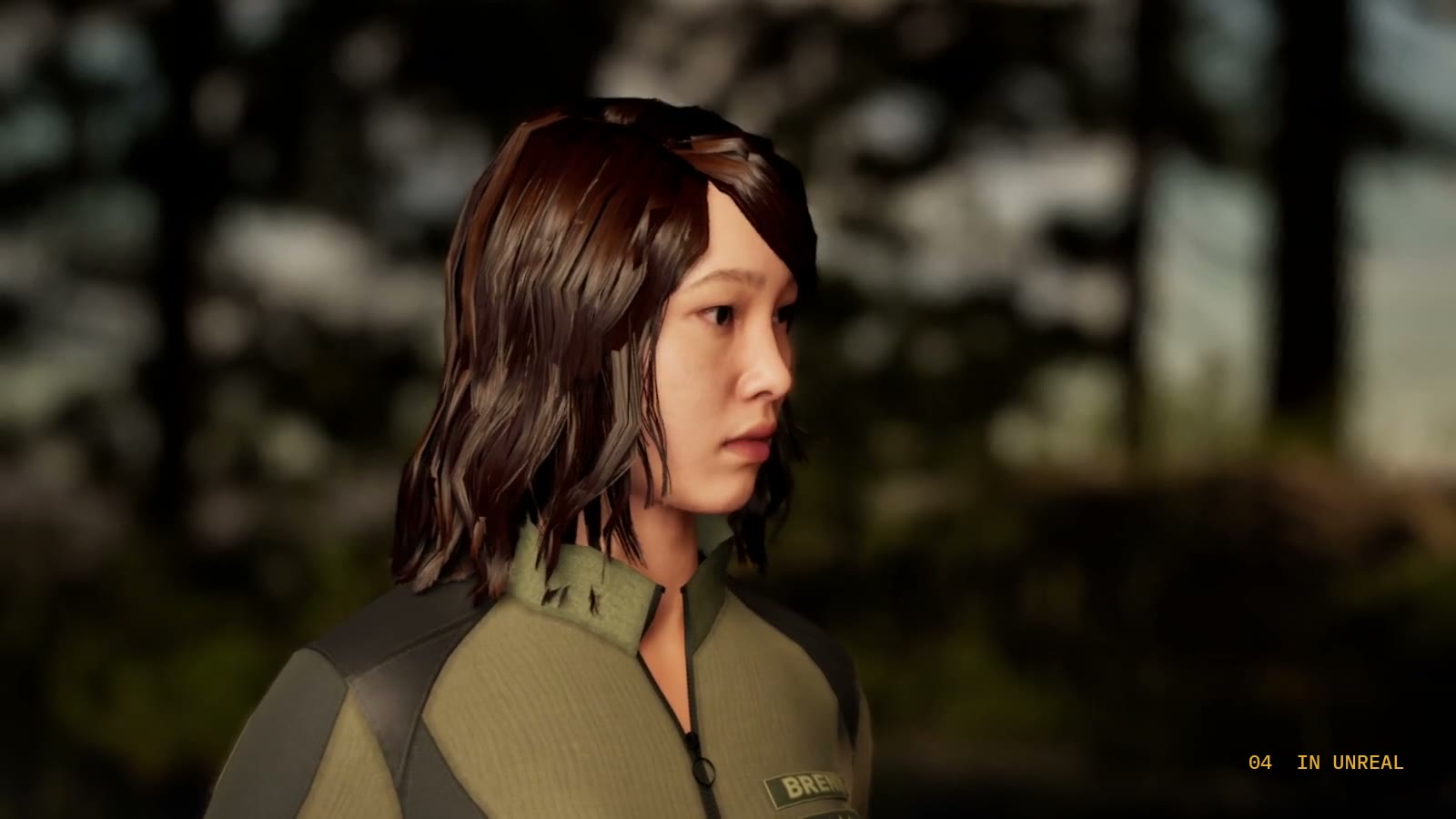
Staged scenes made with our own tools: every line voiced, every face solved from the words actually spoken.

One line, read in anger. The face comes from this reading, never from another take.
EnglishThe line in English.
GermanThe same line and camera, in German.
SpanishAnd in Spanish.

What you learn to do

Dialogue production playbook

Cast before you write.

Characters first, then the lines they say.

Every speaker gets a sheet: who they are, casting notes, and a voice. Lines are written against speakers, never against voices, so recasting one character changes every line they say and nothing else. You see what a scene will cost before anything is generated, and unchanged lines are never paid for twice.

Dialogue production playbook

Keep every take. Choose one.

Prototype with the last take, ship with the chosen one.

Plan a session as a list of lines, record or generate as many takes as you like, then listen and choose. Only the chosen take goes on to faces and translation. A recording is never overwritten by a later generation, because a performance cannot be generated again. Here is one line, read two ways, on one clock.

Neutral
Dialogue production playbook

Faces that say the right words.

Four links, each silent when it breaks.

A face animation names its curves in one vocabulary and the face rig reads another, and the mismatch plays cleanly and moves nothing. The face needs the right slot, skeleton and animation slot too. A gesture can be shared between alternative readings of a line; lip sync never can. Hand corrections are kept as a separate layer, so they survive a new solve.

Dialogue production playbook

A second language that keeps the acting.

Recorded lines are dubbed, not regenerated.

A translated line keeps its id; the language lives on its container, so nothing collides and nothing is renamed. Generated lines are voiced again in the cast’s voices. Recorded ones are dubbed: our 9.52-second line came back 9.52 seconds long, and the face keeps the captured acting under the new mouth. One close-up, one line, three languages:

English
German
Spanish

What is inside

What is in the playbook.

Production knowledge from voicing our own scenes. Every step works by hand; the skills let an agent cast, produce and check whole scenes.

01

The production guide

Casting, writing, sessions and takes, faces, corrections and localisation, in the order that keeps rework down.

02

Session templates

A planned recording session and a quick one, with the settings for each: keep every take or keep the last, process now or on choosing.

03

Face checks

The four links a face needs to move, and a check that compares the curves you write with the ones the face can read.

04

The localisation order

Translate with scene context, voice or dub each line by where it came from, and re-solve faces without losing hand work.

05

Dialogue-system notes

Conditions, greetings and camera shots that behave in play, with a chapter for Narrative Pro.

06

Agent skills

Skills to cast a scene, produce it, and report what is stale, missing or out of date.

What it needs

Unreal Engine 5.8

Lines are standard sound waves, faces are standard animations.

SpeechForge and FaceForge

Free. Voices on your own ElevenLabs account, faces solved on your machine.

Any dialogue system, or none

The method does not depend on one. Our game uses Narrative Pro, and the guide covers it.

Works best with

PerformanceForge for recorded takes, and SpeechForge DeepL for other languages.

Price

$39.99

Paid, bought once. SpeechForge and FaceForge stay free; this is the know-how for running a production with them.

Coming soon. Where to get it, once it is out:

In the Hub

Once it is out, the free Hub installs Dialogue production playbook, keeps them up to date, and gets new versions to you first.

Bought once, updated until 2.0

Buy before version 2.0 and it is yours to keep, with every update until 2.0: early access, beta, 1.0, up to 1.99. Version 2.0 is the first paid upgrade, discounted for owners.

Questions

Asked before you start.

Is this the same as SpeechForge?+

No. SpeechForge and FaceForge are the free tools. The playbook is how we use them on a real game: the order of work, the checks, and the traps.

Do I need voice actors?+

No. Generated voices go through the same steps as recordings. The guide covers both, and how to mix them in one scene.

Do I need Narrative Pro?+

No. One chapter covers it because our game uses it. Everything else works with any dialogue system, or none.

When can I get it?+

It is coming. Leave your email and you hear the day it is out.

Do I have to use AI?+

No. Every step works by hand. AI and agents are there when you want a first draft or want the repetitive work done for you.

What does it cost?+

You start with the free tools. Some tools, add-ons and kits are paid, and you see the price before you buy. Pro, for teams, is a subscription.

Can I ship what I make in a commercial game?+

Yes. What you make is yours. AI providers have their own terms, and each add-on that uses one says which.

Which version of Unreal do I need?+

Unreal Engine 5.8.

Every line voiced, every face right, every language kept.