Characters

Marvelous Designer playbookPlaybookFreeComing soon

Runs through Marvelous Designer

Sew it in Marvelous Designer. Wear it in your game.

A playbook is a pipeline you can follow step by step: a guide for you, and skills and scripts your agent can run. This one takes a garment from Marvelous Designer to a character in Unreal, the way we dress our own cast.

Made with Marvelous Designer playbook

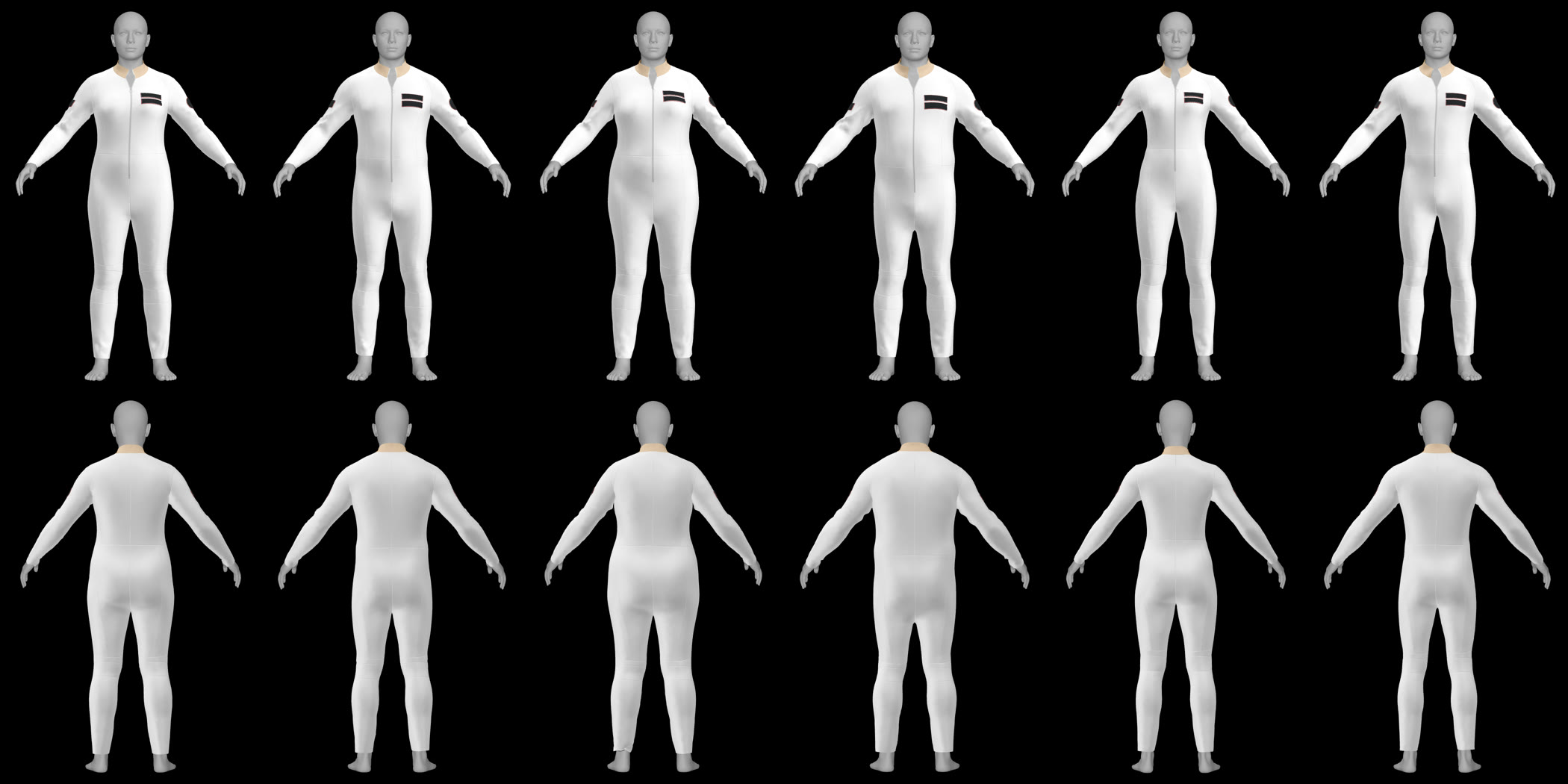
One garment, fitted to six bodies.

Fitted once on the player, then fitted again on each of Epic’s free reference bodies. About a minute and a half a body, with nobody at the mouse.

The same white bodysuit on six different bodies, front and back, from slim to heavy
The same suit on six bodies, front and back. Each one fitted by Marvelous Designer’s own Auto Fit, run from a script.
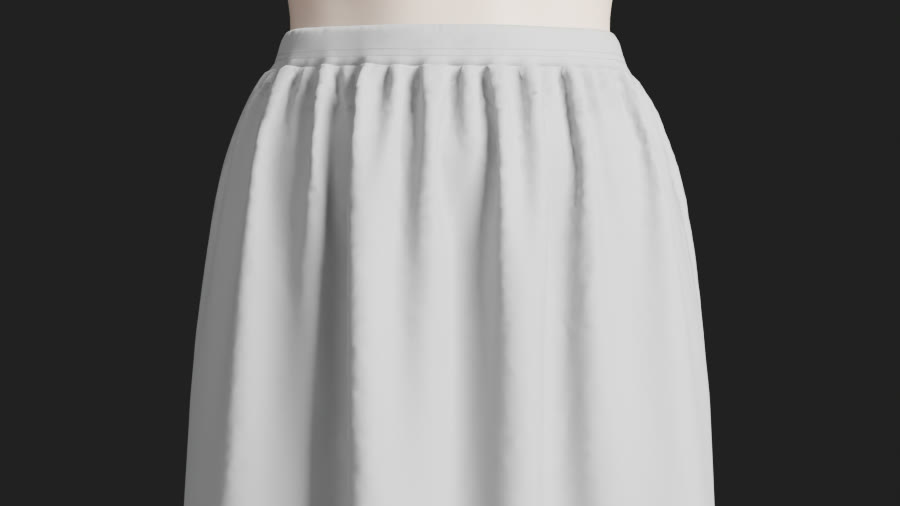
The waistband of a gathered skirt, folds held evenly by the band
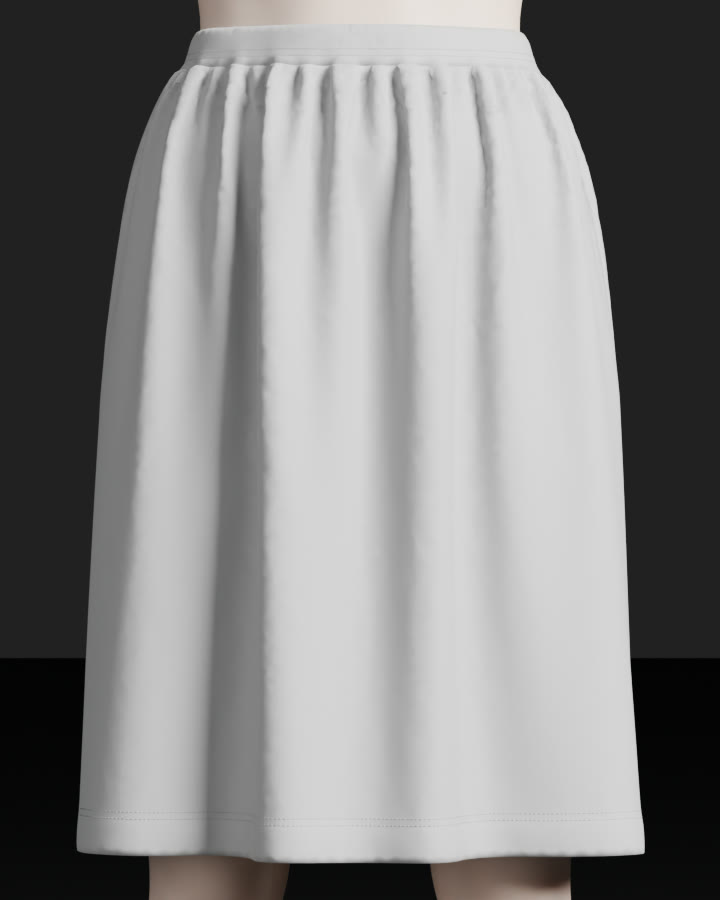
DraftedA skirt drafted from the body’s measurements, sewn and settled by script.
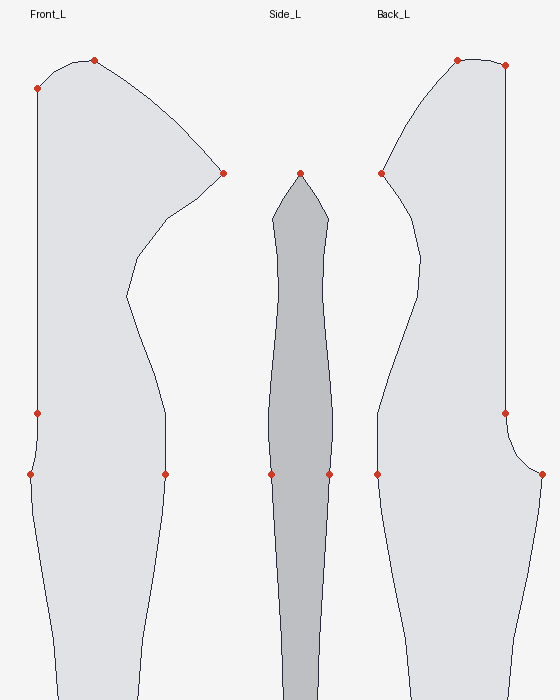
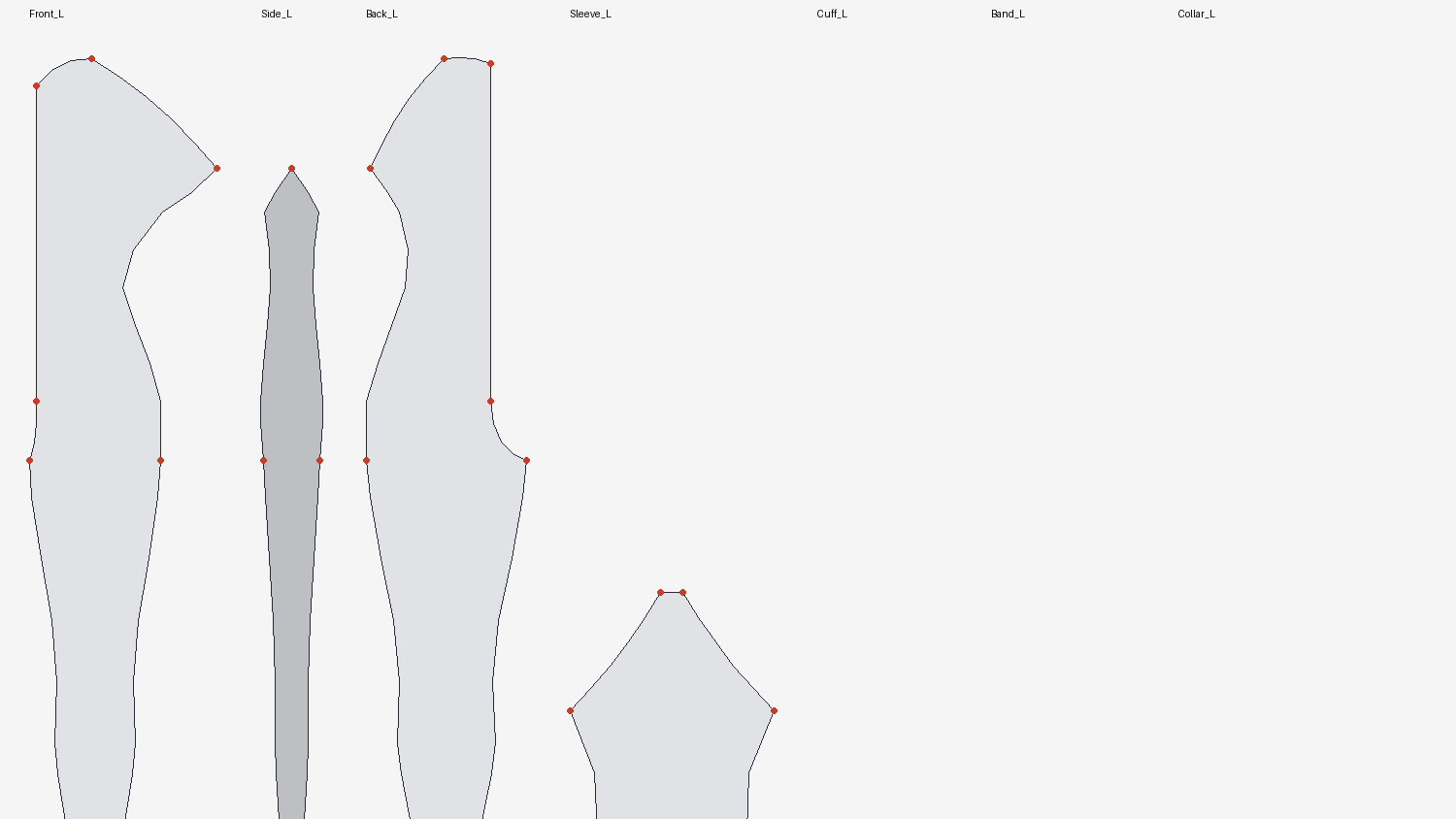
Flat pattern pieces with their named corners: front, side, back, sleeve, cuff, band and collar
PatternsThe flat patterns behind it, with every corner named, so every seam can be checked.

What you learn to do

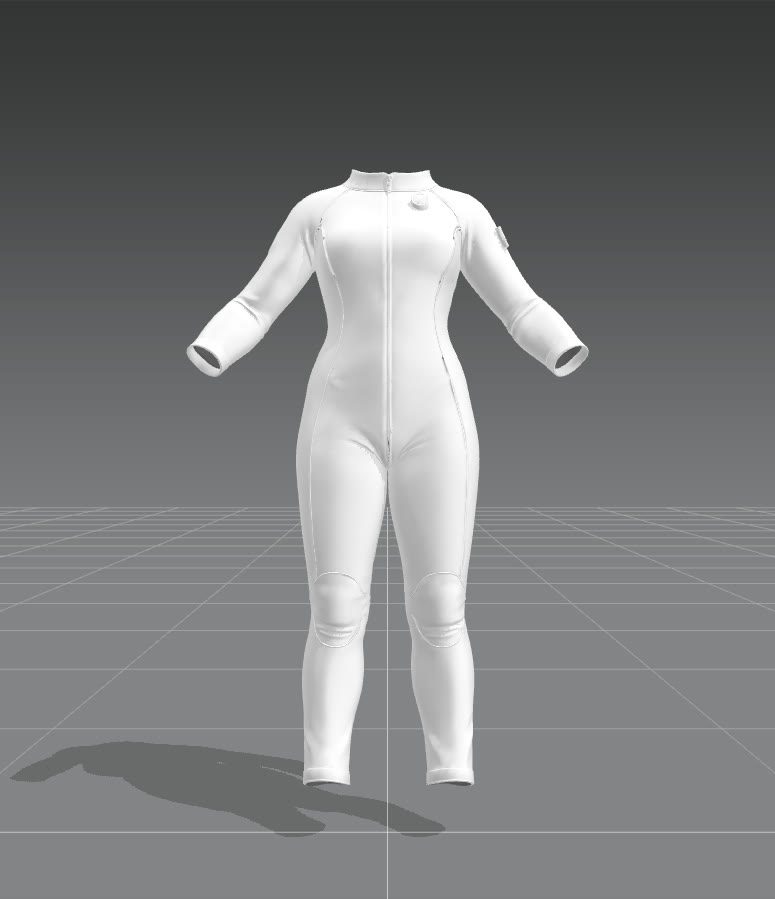
A finished bodysuit standing on its own in the Marvelous Designer viewport
Marvelous Designer playbook

Marvelous Designer, on a script.

Your agent works in it. You keep the final say.

A small bridge lets a script or an agent load bodies, sew, simulate and export inside your own copy of Marvelous Designer. You start it with one click per session. It uses only Marvelous Designer’s own Python and its menus, and nothing is decoded or patched. Everything it does, you can do by hand in the same window.
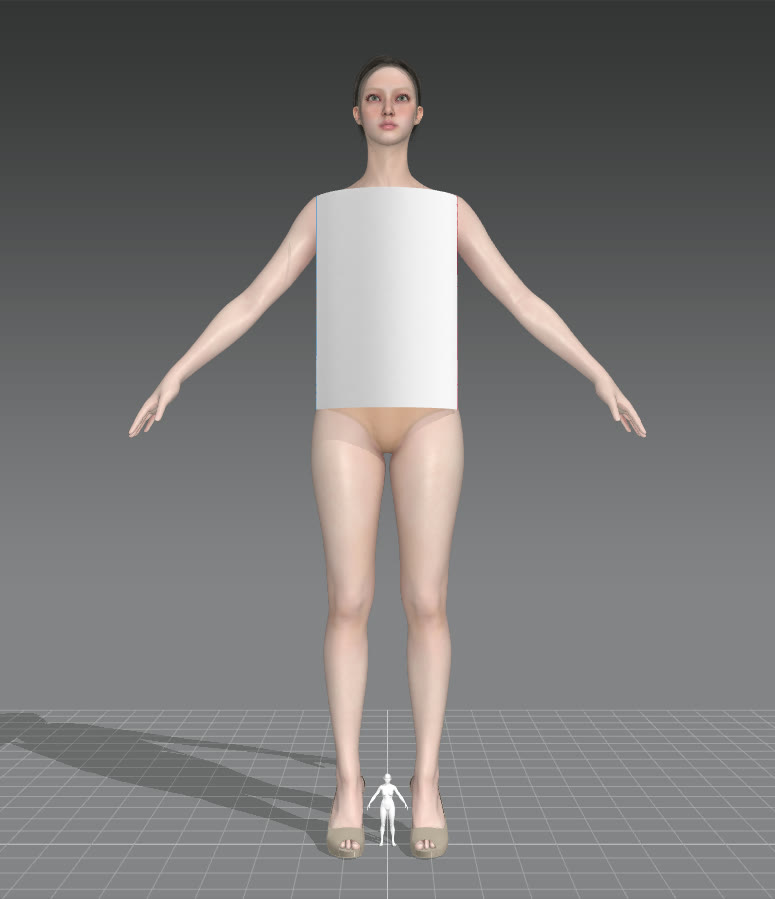
A full-size body beside the same body imported at a tenth of its size, standing at its feet
Marvelous Designer playbook

Bodies at their real size.

The trap that wastes the first afternoon.

An FBX or Alembic body arrives at a tenth of its size, and Marvelous Designer then stops treating it as a person: no arrangement points, nowhere to put a sleeve. The camera zooms to fit, so a screenshot never shows it. The playbook sets the scale per format and checks the points before anything is sewn.

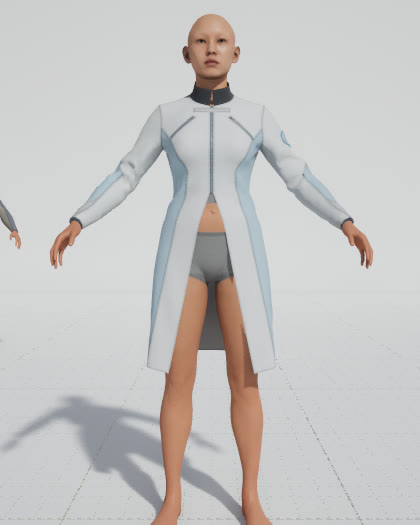
A long white and blue coat fitted onto a game character in Unreal
Marvelous Designer playbook

Start from a garment that exists.

A first look in under a minute.

Most outfits begin as something close: a jumpsuit, a coat, a shirt. Load one, let Auto Fit put it on your body, and settle it. Drafting from nothing is there for the pieces nobody has made yet. Start from garments whose licence lets you ship them in a game, and rework them into your own.

The front, side and back pattern pieces of a suit with their corner points marked
Marvelous Designer playbook

Seams that close, every time.

Checked before you simulate, measured after.

Panels are drawn the same way round, partner edges are cut to the same length, and every pair of points is checked before the first simulation. After it, fixed four-view renders and a count of cloth inside the body tell you what changed between two tries, instead of whatever angle the viewport was left at.

A gathered skirt with a stitched hem, rendered from the front
Marvelous Designer playbook

Out to the game in one run.

Fit, settle, pack and export, about two minutes.

One recipe runs the whole garment: fit, panel names, settle, UVs packed at an even density, the mesh and its USD, and a colour map with one colour per fabric, so your material knows which cloth is which. Then it goes into Unreal and onto your character with MeshForge Garment.

What is inside

What is in the playbook.

Every step works by hand from the guide. The skills and scripts are there when you want an agent to do the repetitive part.

01

The guide

From an empty scene to a garment on your character: bodies, starting garments, sewing, settling, export and import, with the traps we hit along the way.

02

The Marvelous Designer bridge

An open-source MCP server, with our fixes so the window never freezes and a session can restart on its own.

03

Agent skills

How an agent starts the bridge, drives Marvelous Designer, checks its own work and stops when something looks wrong.

04

The garment pipeline

One command from a recipe to a fitted, settled, exported garment, with checkpoints so a failed step resumes where it stopped.

05

Body set-up

How to bring in your own character and Epic’s free reference bodies at the right size, saved once and reused.

06

Checks and renders

The seam audit, cloth-inside-body counts and fixed-camera renders, so you compare tries, not angles.

What it needs

Marvelous Designer 2026

Your own licence, on the tier its terms ask of your studio. Tested on 2026.1.

Unreal Engine 5.8

For the last step, with MeshForge Garment to put the garment on your character.

Python

To run the pipeline and the bridge. No account and no fee.

An agent, if you want one

Any agent that speaks MCP can run the steps. The guide works without one.

Price

Free

The Marvelous Designer playbook is free. The production know-how, layered outfits, simulated cloth and one fit for every body, is the Garment production playbook.

Coming soon. Where to get it, once it is out:

In the Hub

Once it is out, the free Hub installs Marvelous Designer playbook, keeps them up to date, and gets new versions to you first.

Questions

Asked before you start.

What is a playbook?+

A pipeline through someone else’s software, packaged so you can follow it: a guide for you, and skills, scripts and templates an agent can run. You use your own copy of the program.

Do I need an agent?+

No. Every step is in the guide and works by hand in Marvelous Designer. An agent only saves you the repetitive part, such as fitting the same garment to six bodies.

Does it come with garments?+

No. Garments made by others cannot be passed on, so the playbook shows you where to start from and how to make a garment your own.

Does it only work with MetaHuman?+

The bodies we use are MetaHumans, but nothing in Marvelous Designer cares. Any character you can export as a mesh can be dressed.

When can I get it?+

It is coming. It comes free through the Hub, with the bridge and the pipeline we use every day.

Do I have to use AI?+

No. Every step works by hand. AI and agents are there when you want a first draft or want the repetitive work done for you.

What does it cost?+

You start with the free tools. Some tools, add-ons and kits are paid, and you see the price before you buy. Pro, for teams, is a subscription.

Can I ship what I make in a commercial game?+

Yes. What you make is yours. AI providers have their own terms, and each add-on that uses one says which.

Which version of Unreal do I need?+

Unreal Engine 5.8.

Your first garment, on your own character.